
Understand Catholicism
Plain answers, with the sources shown.
Written for someone starting from nothing, and for someone who was taught a harsh version of this and wants to check what the Church actually says.
We cite the Catechism and Church documents by paragraph, and we never invent a teaching. Church texts are quoted as published; the explanation and synthesis around them are our own.
Understand Catholicism hub
Chapter one
Catholic social teaching
It begins with Christ's own words: what is done to the hungry, the thirsty, the stranger, the unclothed, the sick, and the imprisoned is done to him.
From that follow the principles: human dignity that is never earned, the common good, solidarity across borders and classes, subsidiarity, preferential concern for the poor and vulnerable, rights and their corresponding responsibilities, the dignity of work, and care for creation. They are worked out in a century of documents from Rerum Novarum to Fratelli Tutti, and they belong to no political party.
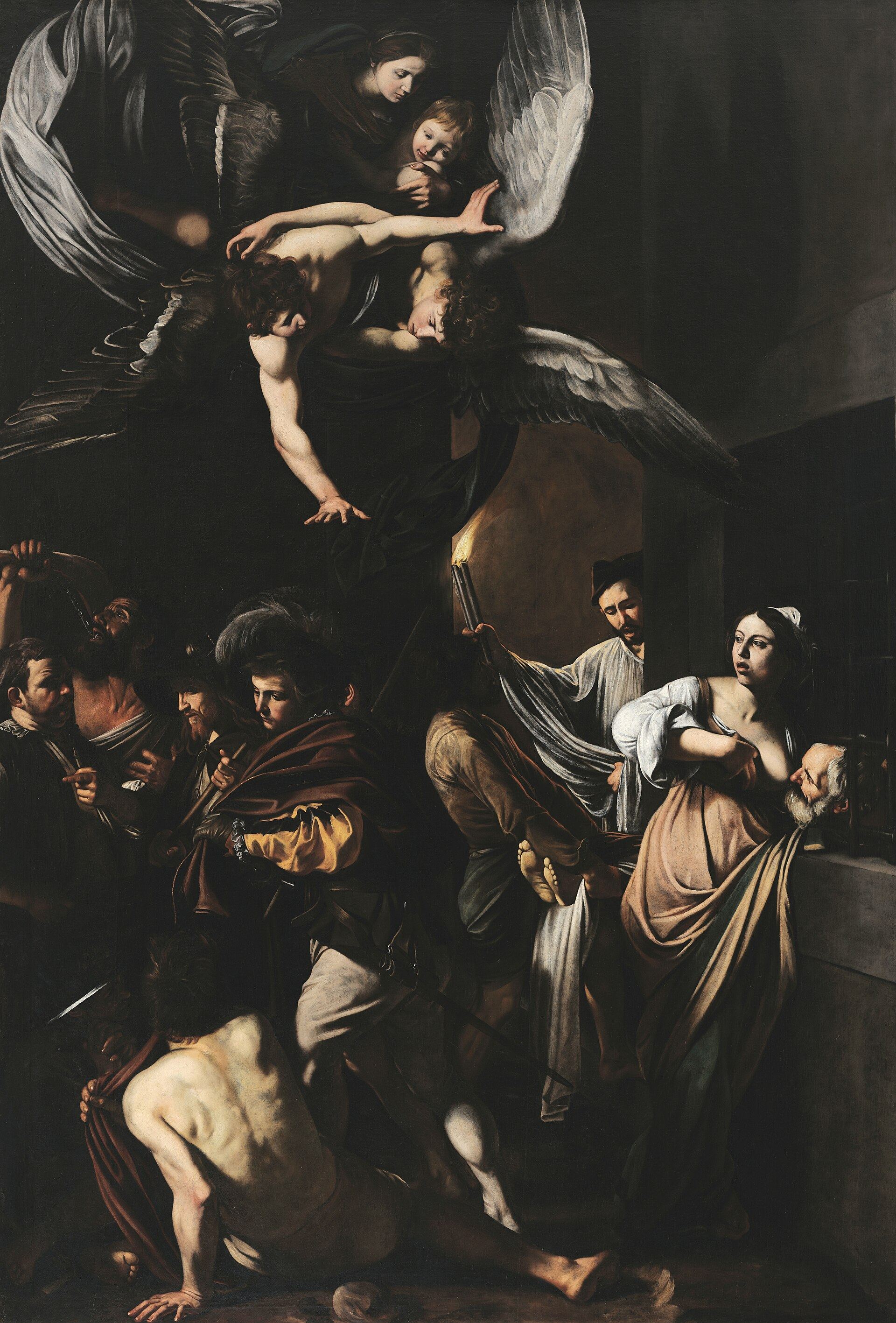
The corporal and spiritual works of mercy are how the principles stop being an argument: feed, give drink, clothe, shelter, visit the sick, visit the imprisoned, bury the dead; counsel, instruct, admonish, comfort, forgive, bear wrongs, pray.
Worship and the sacraments
Your first Mass: a step by step guide
Exactly what happens, what to wear, when to stand and sit, when not to receive Communion and what to do instead, and how to leave if you need to.
Read itThe Mass
What actually happens, in order, and what to do if you have never been.
Read itThe Eucharist
The claim at the centre of Catholic life: that the bread and wine become the body and blood of Christ.
Read itConfession
What happens in the confessional, what a priest may never do, and how to go if it has been decades.
Read itThe seven sacraments
Baptism, Confirmation, Eucharist, Reconciliation, Anointing of the Sick, Marriage, Holy Orders: in plain language.
Read itPrayer and the Church year
Advent, Christmas, Lent, Easter, Ordinary Time, and why a calendar helps when your own year is hard.
Read it
Scripture and belief
Scripture and Tradition
Why Catholics read the Bible inside a community rather than alone, and what that does and does not mean.
Read itSalvation
Grace, faith, and works: what Catholics actually teach about being saved.
Read itSin, mercy, and forgiveness
What sin means, what it does not mean, and why forgiveness never requires returning to danger.
Read itHeaven, hell, and purgatory
What the Church actually says about the four last things, and how these teachings have been misused.
Read it
Mary, saints, and the world
Mary
Honoured, not worshipped: the four Marian doctrines and what they are actually claiming.
Read itSaints
What canonisation claims, what it does not claim, and why Catholics ask the dead to pray.
Read itCatholic social teaching
Human dignity, the common good, solidarity, subsidiarity, and the preferential option for the poor.
Read it
Related elsewhere on the site
- Catholic MiraclesWhat the Church has and has not declared.
- Who did Jesus move toward?The Gospel encounters, told in full
- Saints libraryThe teaching, lived out in real history
- Attending Mass for the first timeA walkthrough, minute by minute
- When Scripture is used to control you
- Prayer Center
- Find help near you